Why Solo Travel Feels So Scary (And What Most Women Get Wrong)

Author: Charlotte Lilley, Founder of The Retreat Co

Taking a solo trip usually feels much scarier before it happens than it does once you’re there. In my experience, most women are not worried about the logistics of traveling alone. They’re worried about what it will feel like to walk into a room full of people they don’t know.

Quick Summary

  • The hardest part of solo travel is often deciding to book the trip

  • Most fears about solo travel are social, not logistical

  • About 99% of Retreat Co guests arrive solo

  • The reality is usually far less intimidating than people imagine

  • Confidence tends to come from doing the thing, not from waiting until you feel ready

Why Does Solo Travel Feel So Intimidating?

One thing I’ve noticed after hosting retreats for years is that women rarely reach out with questions about skiing.

They’re not usually calling to ask about snow conditions, equipment rentals, airport transfers, or what time breakfast starts. Most conversations revolve around something much harder to solve with information.

The women who contact me before a retreat are usually trying to answer some version of the same question. They want to know whether they’ll fit in, whether everyone else already knows each other, or whether they’re somehow going to be the only person who feels out of place.

The details change, but the concern underneath is remarkably consistent. Most people are trying to figure out whether stepping outside of their normal routine is worth the discomfort that comes with it.

I understand that feeling because adult life doesn’t give us many opportunities to start from scratch socially.

When we’re younger, being new is expected. You move into a dorm, start a new job, join a team, or move to a new city, and everyone around you is figuring things out at the same time.

As adults, life becomes more established. We build careers, friendships, routines, and responsibilities, and over time we become comfortable moving through environments where we know the people, the expectations, and our place within them.

A solo trip interrupts that familiarity, which is why it can feel uncomfortable at first. It’s not necessarily the travel itself that feels difficult. It’s stepping into a situation where you don’t already know your role, your routine, or the people around you.

Are Women Afraid Of Traveling Alone Or Feeling Alone?

I think those are two very different things.

When I talk to women before a retreat, I rarely hear concerns about boarding a plane, navigating an airport, or traveling to a new destination. Most of them are perfectly capable travelers.

Their concerns are usually more personal than that. What they really wonder is whether they’re going to connect with anyone, whether they’ll feel included once they arrive, or whether everyone else will somehow be more experienced, more outgoing, or better equipped socially than they are.

The funny thing is that almost everyone arrives carrying some version of the exact same concern.

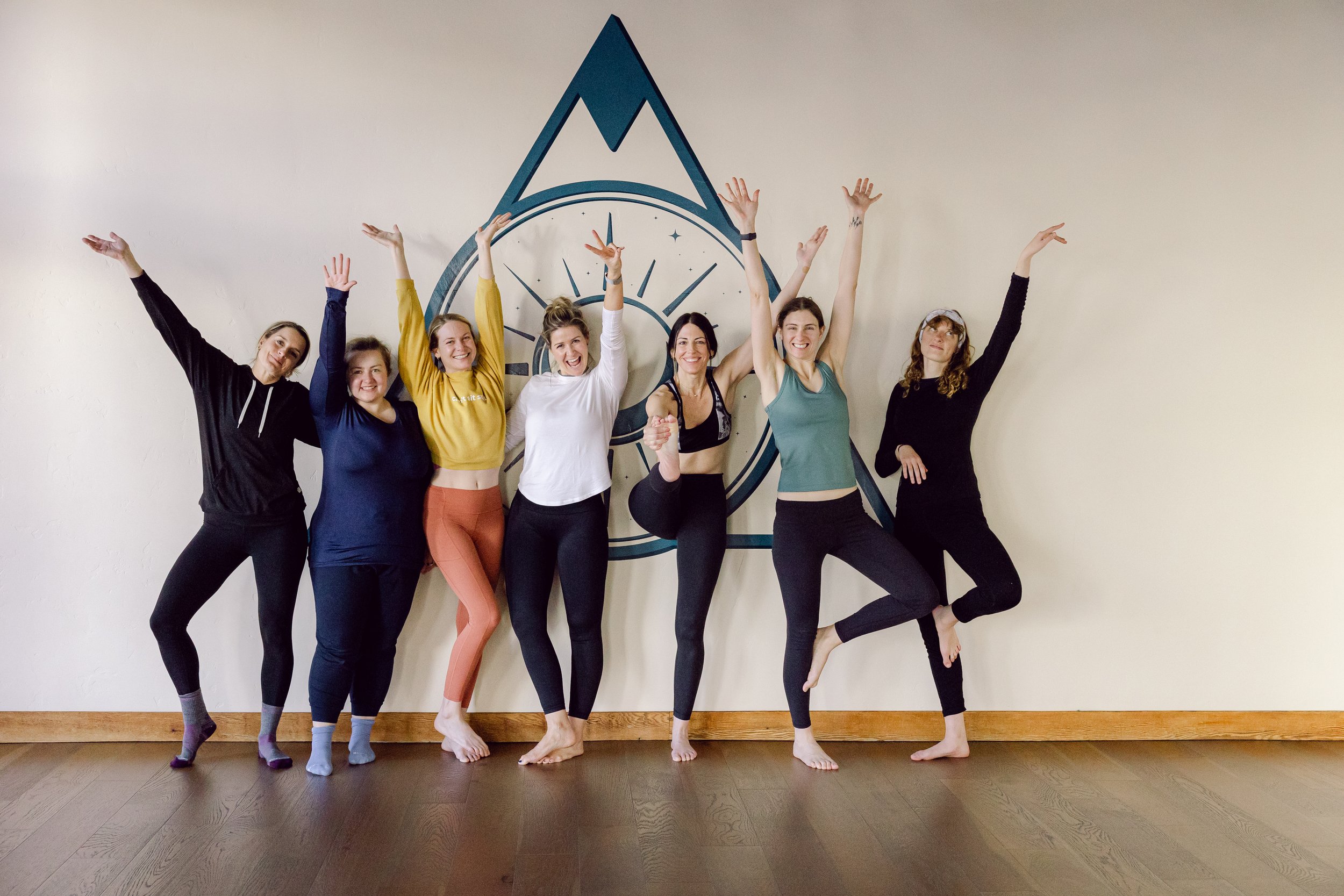
About 99% of women who attend Retreat Co retreats come on their own, which means most guests arrive without knowing anyone and without a clear picture of how the weekend is going to unfold. Nearly everyone is stepping at least a little bit outside their comfort zone.

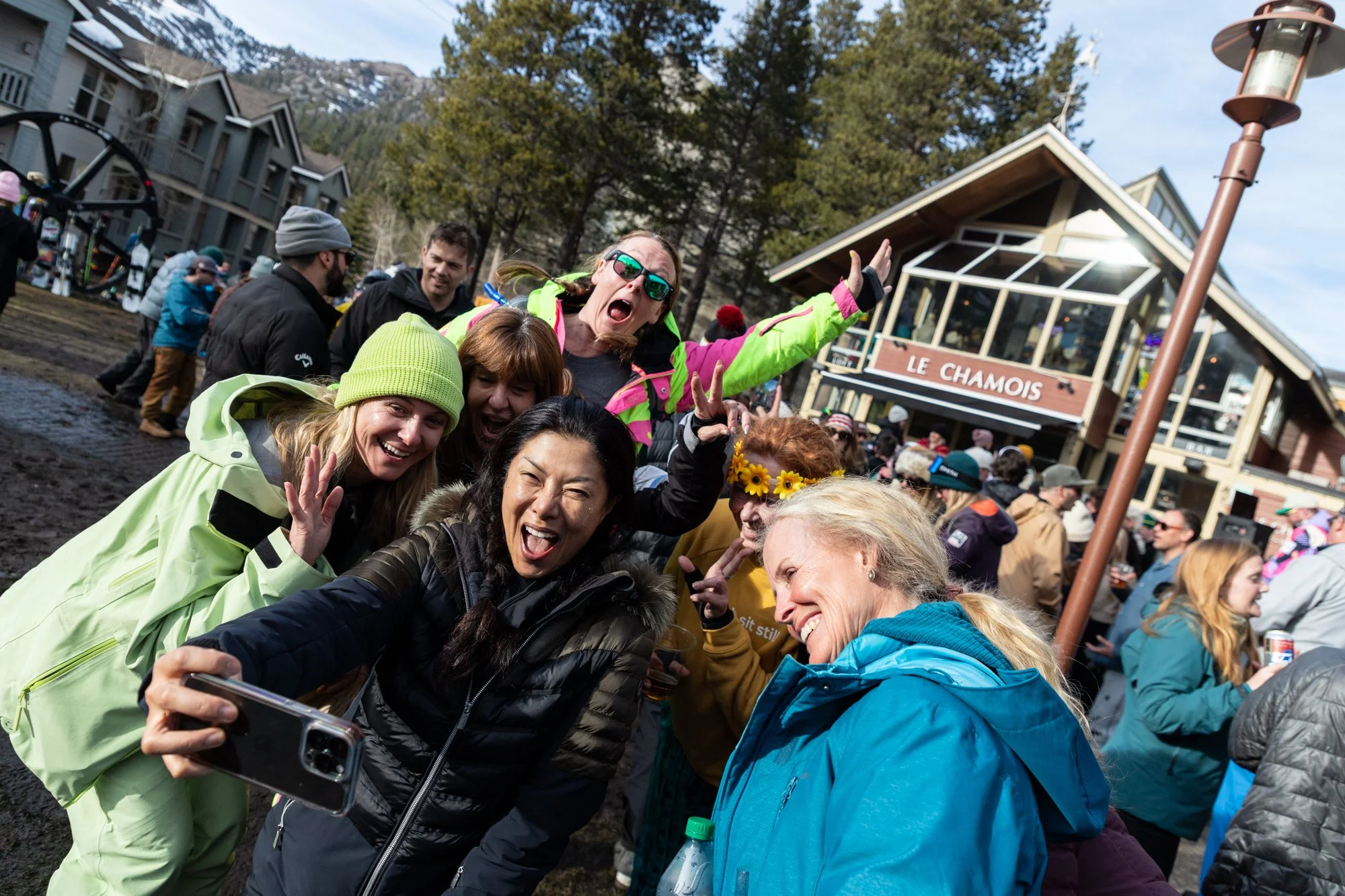
One of the reasons people connect so quickly is that everyone is starting from a similar place. There is very little social posturing because nobody has all the answers. People are simply showing up as themselves and figuring it out together.

Why Does The Fear Feel Bigger Before The Trip?

I think uncertainty has a way of filling empty space.

The week before a trip, you don’t have many real experiences to draw from yet. What you have is imagination, and imagination tends to be much more dramatic than reality.

It’s easy to picture yourself standing alone at dinner or struggling to find your place in the group because those are the scenarios your mind naturally fills in when it doesn’t have complete information.

What people often fail to imagine are the dozens of ordinary moments that happen once a retreat begins.

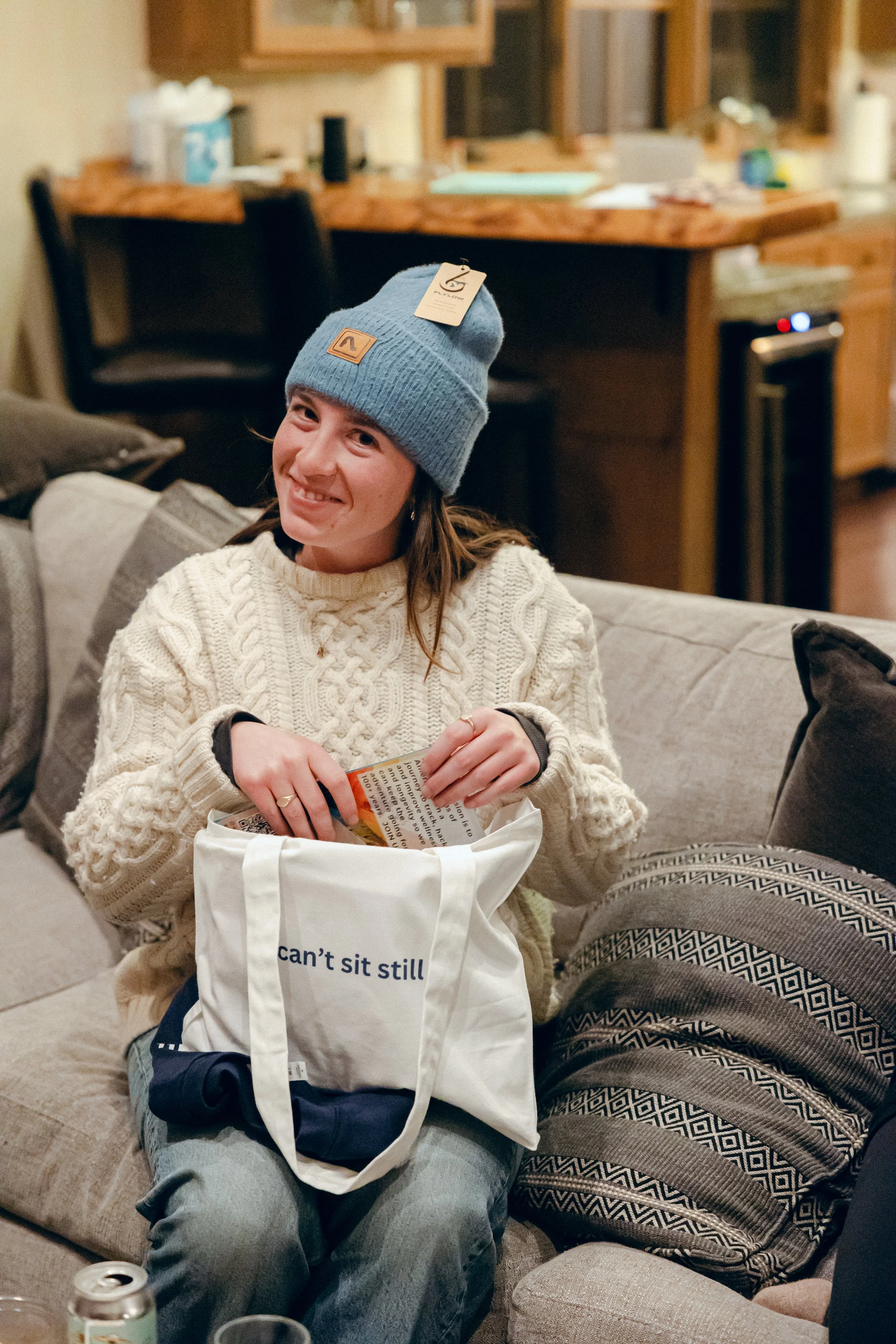
Usually someone helps carry a bag inside, another person asks where you’re visiting from, and before long a conversation starts while coffee is brewing or people are figuring out where they’re staying for the weekend. The evening unfolds much more naturally than most people expect.

I’ve watched this happen enough times that it’s become one of the most predictable parts of every retreat.

The anticipation beforehand is often far more uncomfortable than the experience itself.

Why Do Solo Travelers Often Get More Out Of The Experience?

People often assume bringing a friend would make everything easier, and sometimes it does.

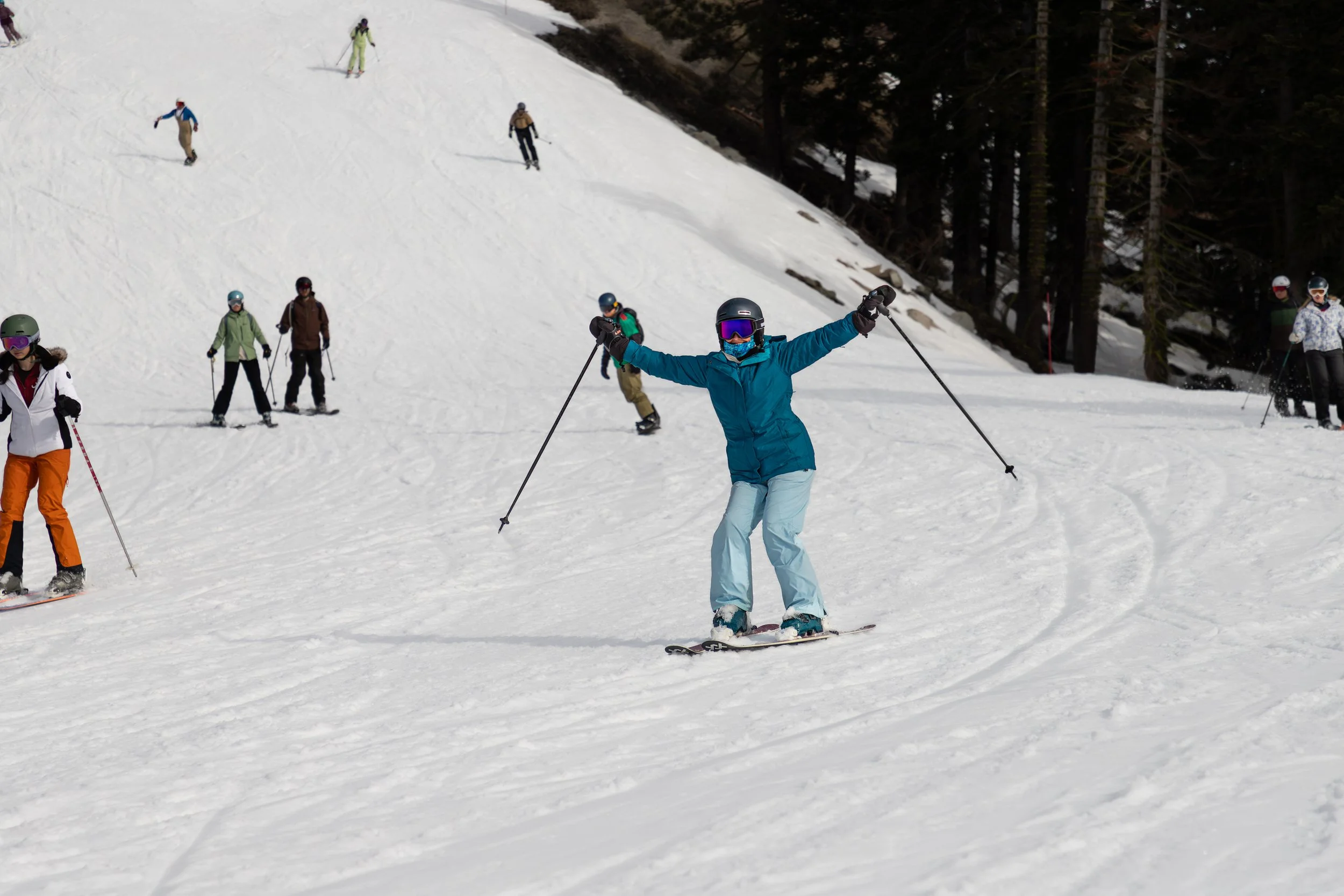
At the same time, I’ve noticed that coming alone creates a different kind of experience because you’re naturally more open to the people and conversations around you. You sit next to someone new at dinner, ride a chairlift with someone you just met, and find yourself having conversations that probably wouldn’t have happened if you arrived with your usual social circle.

Over the years, I’ve seen this happen again and again.

Women like Kasia, Elaine, and Theodora all arrived with some level of uncertainty. By the end of the retreat, they weren’t talking about the things they worried about beforehand. They were talking about the friendships they made, the conversations they had, and how different the experience felt from what they expected.

The thing they were most nervous about often became one of the most rewarding parts of the weekend.

You can read more about Elaine’s experience joining a ski retreat completely on her own and Theodora’s story about returning to skiing as an adult and finding community along the way.

What If You’re Still Nervous?

If you’re considering a solo trip and feeling uncertain, I don’t think that means anything has gone wrong.

Most people feel some degree of uncertainty when they’re doing something unfamiliar. The women who tell me afterward, “I almost didn’t come,” are rarely the women who arrived feeling fearless. They’re usually the women who felt nervous, booked anyway, and discovered that the thing they spent weeks worrying about wasn’t nearly as intimidating as they imagined.

For me, that’s one of the most interesting patterns that shows up on retreat weekends. The women who seem the most confident afterward are not necessarily the women who started out confident. They’re the women who learned they could trust themselves to do something unfamiliar.

If you’re considering your first retreat and want a practical look at what the experience is like, we’ve put together the First Timer’s Solo Retreat Survival Guide.

Inside, you’ll find answers to the questions women ask most often before they book, including what arrival day feels like, how connection happens naturally, room options, travel logistics, and what to expect during those final nervous days leading up to departure.

Download the First Timer’s Solo Retreat Survival Guide

Or, if you’re already exploring options, you can explore upcoming women’s ski retreats designed for solo travelers and shared experiences.

Because in my experience, the hardest part is usually not the trip itself. It’s deciding whether you’re willing to let yourself have the experience in the first place.

Previous
Previous

Women Who Can’t Not: The Woman Who Stopped Waiting

Next
Next

Women Who Can’t Not: The Australian Who Chased Winter Across the World