Why Learning New Things as an Adult Changes Your Brain

Author: Charlotte Lilley, Founder of The Retreat Co

Learning new things as an adult helps strengthen neuroplasticity, which is the brain’s ability to adapt, form new pathways, and stay mentally flexible over time. Experiences that combine movement, novelty, social connection, and challenge tend to support cognitive health especially well.


Quick Summary

  • Neuroplasticity allows the brain to continue adapting throughout adulthood

  • New experiences strengthen cognitive flexibility and mental resilience

  • Social interaction and physical activity both support brain health

  • Outdoor experiences naturally combine novelty, movement, and problem-solving

  • About 90% of Retreat Co guests report making lasting friendships after retreats


One thing I think people underestimate is how much the brain responds to novelty.

It is easy to assume that learning mostly belongs to childhood or early adulthood because those are the years where everything feels new all the time. You are learning how to navigate school, relationships, work, identity, independence. Then eventually life settles into patterns, and without realizing it, many people stop putting themselves in situations that challenge them mentally in new ways.

The interesting thing is that the brain still wants that stimulation, even later in life.

Neuroplasticity, which is essentially the brain’s ability to adapt and reorganize itself through repeated experiences and patterns, does decrease somewhat with age. That part is true. It becomes harder to learn languages quickly, memory changes over time, and people often become more attached to familiar routines.

What is also true, though, is that neuroplasticity never disappears.

The brain continues adapting throughout life, especially when people keep exposing themselves to new environments, new skills, new conversations, and new experiences. I think that is part of why people often feel unexpectedly energized after doing something outside their normal routine, even when it challenges them.

What Is Neuroplasticity And Why Does It Matter?

At its core, neuroplasticity is the brain’s ability to change.

The brain strengthens pathways that get used repeatedly, which means thoughts, habits, and behaviors can literally shape how the brain functions over time. Scientists often describe it similarly to physical training. The more you use certain neural pathways, the stronger and more efficient they become.

What is interesting is that this applies to far more than academic learning.

People tend to think learning only happens through books, courses, or formal education, but the brain also responds strongly to unfamiliar environments, social experiences, movement, creativity, and problem-solving. Learning how to navigate a new city, trying a sport for the first time, or spending time with people outside your usual social circle all require the brain to adapt.

That adaptation is healthy.

There is also growing research around something called cognitive reserve, which refers to the brain’s ability to remain resilient and adaptable as people age. Experiences that encourage curiosity, flexibility, social connection, and learning all appear to support that process.

The important part is that the brain responds best when experiences feel active and embodied, not passive.

Why Do New Experiences Feel So Transformative As Adults?

I think part of it is because adult life can become surprisingly repetitive without people fully noticing it.

You wake up, move through familiar routines, talk to the same people, solve the same categories of problems, and operate inside systems your brain already understands. That predictability can feel comforting, but it can also make people feel mentally flat over time.

Then suddenly you place yourself somewhere unfamiliar and your brain wakes back up.

You notice things more carefully. You become more present. You adapt faster because you have to. Even simple things, like navigating a new environment or meeting new people, require your brain to engage differently than it does during autopilot routines.

This is one reason retreats can feel unexpectedly impactful for people.

Before guests even arrive, they are already challenging familiar patterns. They made the decision to pause their normal routine, travel somewhere new, and place themselves into an unfamiliar social environment. For many women, especially those who come solo, that decision alone requires a meaningful amount of psychological flexibility.

And interestingly enough, about 99% of women who attend Retreat Co experiences arrive solo without knowing anyone beforehand. That level of novelty naturally pushes people into new social and emotional experiences that strengthen confidence and adaptability over time.

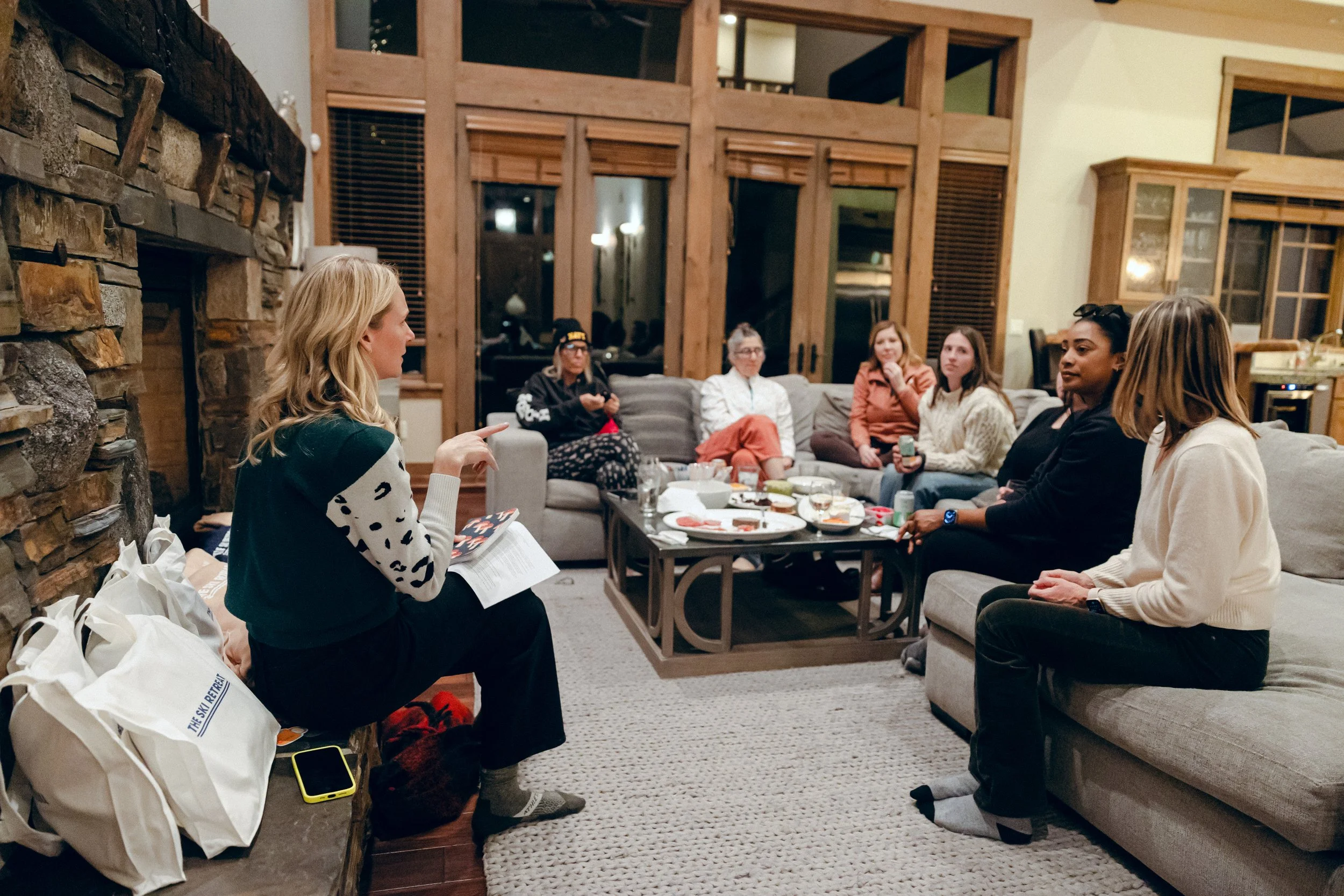
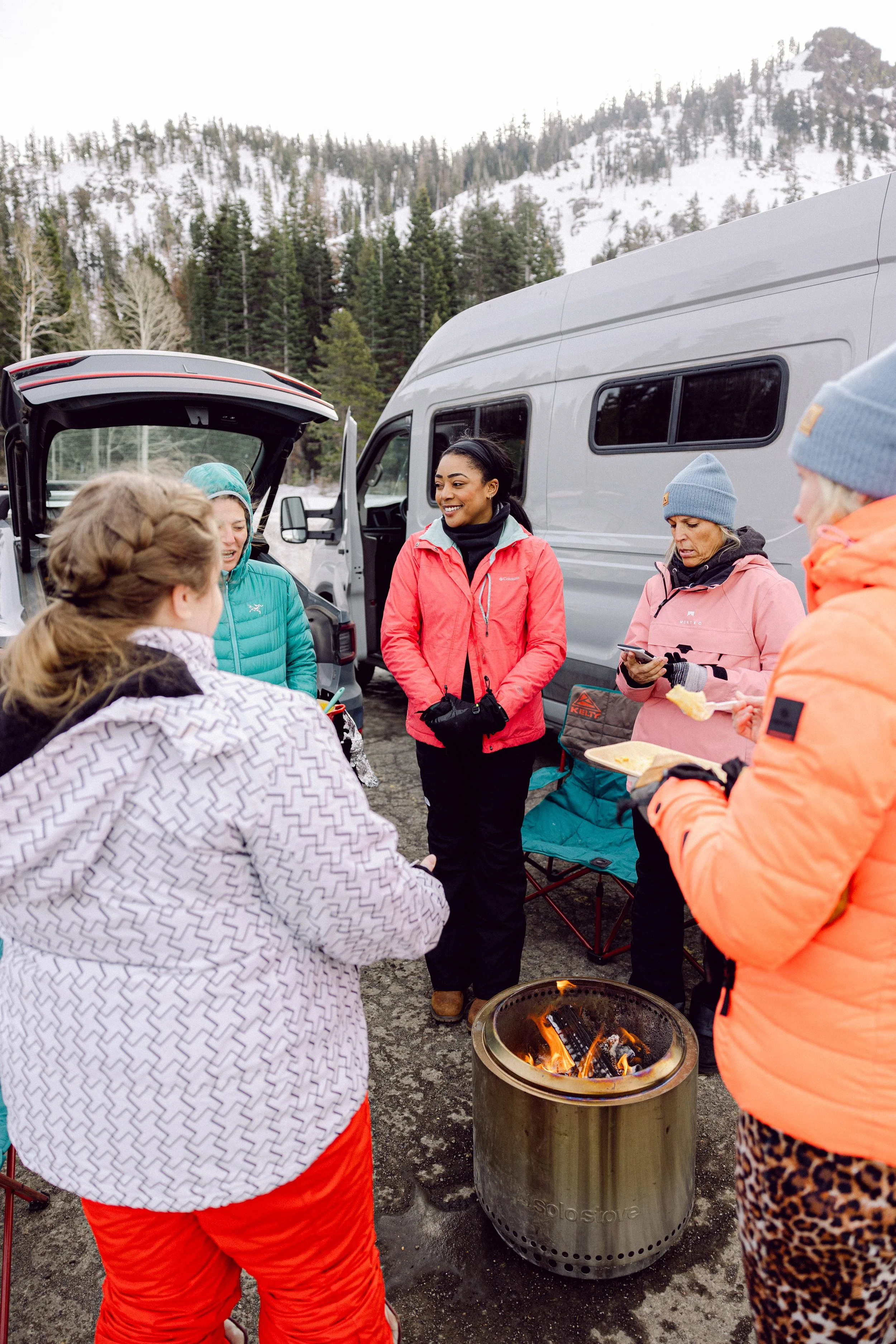
You can see this dynamic especially clearly during women’s ski retreats built around movement, challenge, and shared experience, where guests spend the weekend learning, adapting, and connecting in real time. You may also download our guide on How to Make Friends as an Adult.

How Do Outdoor Activities Support Brain Health?

The outdoors naturally combines many of the conditions that support neuroplasticity.

Movement plays a huge role. Research consistently shows strong connections between physical activity and cognitive health because exercise increases neurotrophins, which are proteins that support neuron and synapse development. Physical activity also supports memory, stress regulation, and mental flexibility.

That matters more than people realize.

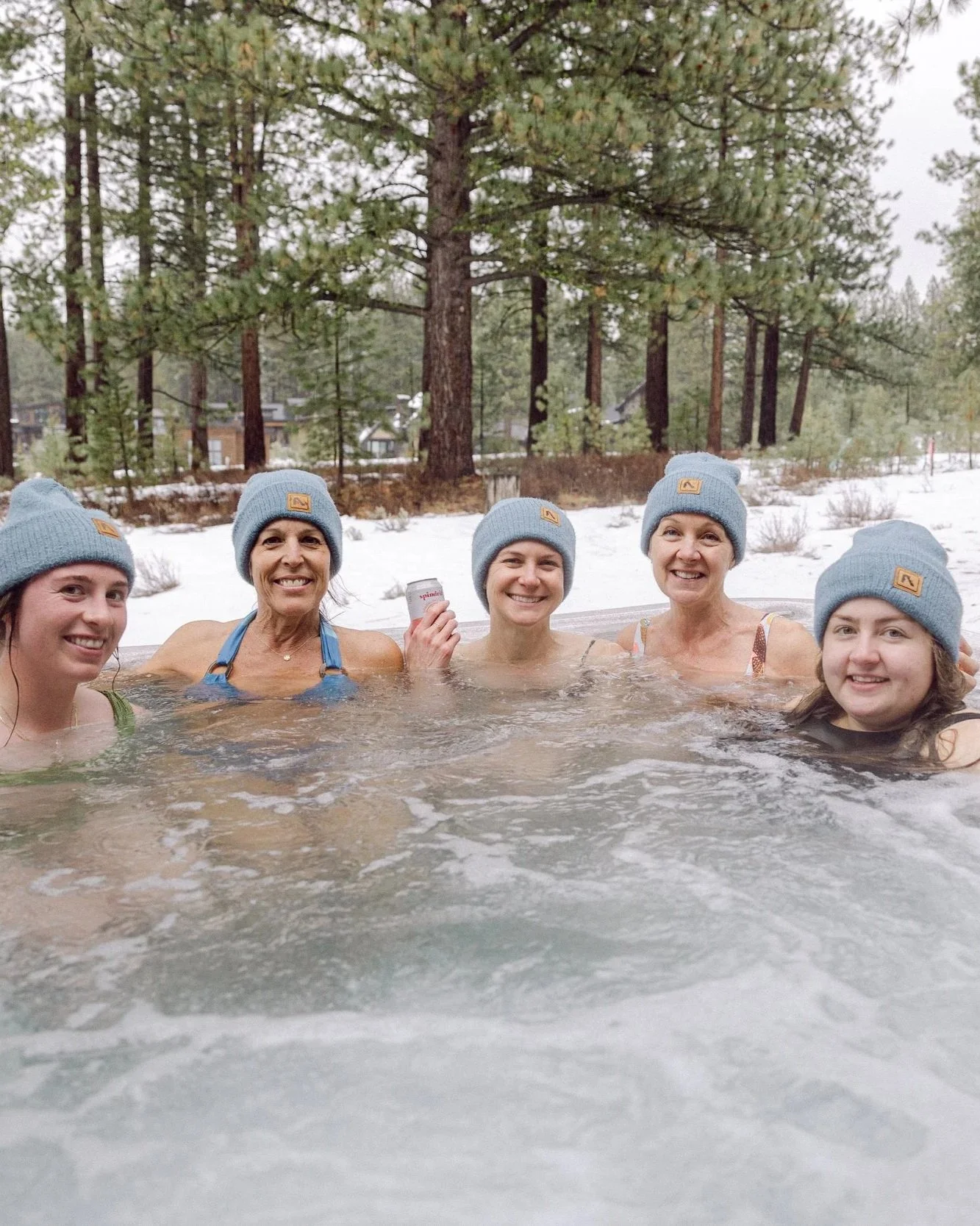
Activities like hiking, skiing, paddleboarding, yoga, and swimming are not only physically beneficial. They require attention, coordination, adaptation, and presence. Your brain is actively processing movement, environment, balance, and decision-making all at once.

The other thing the outdoors does well is interrupt overstimulation.

Modern life keeps many people in a constant state of fragmented attention. Notifications, deadlines, emails, multitasking. Spending time outside tends to regulate that pace naturally. Your attention widens. Your nervous system settles. People often describe feeling mentally clearer after even a short amount of time outdoors.

I think that clarity creates more room for creativity and reflection too.

You can explore more about this in how outdoor experiences build resilience, adaptability, and leadership skills or through The Retreat Co camp experiences centered around creativity, movement, and connection.

Why Does Social Connection Matter For Cognitive Health?

One of the more underrated forms of mental stimulation is simply meeting new people.

Conversations require flexibility. You are processing new perspectives, stories, personalities, and ways of thinking in real time. Social interaction activates multiple areas of the brain simultaneously, especially when people feel emotionally engaged and present.

That is one reason connection matters so much.

Before retreats, many guests admit they are nervous about fitting in or making friends. Then by the end of the weekend, something shifts. People relax into themselves, conversations deepen, and relationships form much faster than expected.

In fact, about 90% of Retreat Co guests report forming lasting friendships after retreats, which says a lot about what happens when people step outside their normal social environments and into spaces designed around shared experience.

The interesting thing is that these friendships are not only emotionally meaningful. They are cognitively healthy too. Strong social connection has repeatedly been linked to better mental health, lower stress, and healthier aging overall.

Can Learning New Things As An Adult Help You Feel Younger?

Honestly, I think it can, though maybe not in the way people expect.

Learning new things tends to make people feel more alive because novelty pulls them back into presence. You stop moving through life mechanically and start paying attention again. You become more curious. More adaptable. More engaged with your surroundings.

That shift affects people emotionally as much as cognitively.

I think this is part of why people often leave retreats feeling lighter or mentally clearer, even if they arrived exhausted. They spent a few days moving their body, meeting new people, trying unfamiliar things, and stepping outside the routines that had kept them mentally stuck.

That kind of experience reminds people that growth does not stop after a certain age unless we decide it does.

If you want more experiences that support movement, learning, connection, and personal growth, you can explore upcoming women’s retreats focused on outdoor adventure and shared experience or read more about why stepping outside your comfort zone changes confidence over time.

Next
Next

What People Are Really Looking For When They Say They Need a Break