The Leadership Skills Nobody Taught Me (But the Outdoors Do)

Author: Charlotte Lilley, Founder of The Retreat Co

Some of the most useful leadership skills are learned outside, not inside a workplace. Time in the outdoors teaches people how to plan carefully, adapt under pressure, stay calm when things shift unexpectedly, and think more creatively, often because the stakes feel personal instead of professional.


Quick Summary

  • Outdoor experiences teach leadership skills in a more embodied and memorable way

  • Planning in the outdoors builds better decision-making and foresight

  • Adaptability becomes easier when nature forces flexibility

  • Nature helps people zoom out, regulate stress, and think more clearly

  • Creativity tends to expand when the brain is removed from constant urgency


One thing I think about a lot is how many leadership skills people try to learn through pressure instead of experience.

We spend so much time talking about leadership in the context of productivity, performance reviews, management styles, and workplace dynamics that I think we sometimes miss where these skills actually come from in the first place. A lot of them are learned much earlier and much more naturally, especially in environments where you are forced to pay attention, solve problems, and stay present.

For me, the outdoors has always been one of those environments.

Not because it turns people into survival experts or ultra-athletes, but because nature has a way of stripping things back to what matters. When you are outside long enough, especially somewhere unfamiliar or physically demanding, you start noticing how you respond to uncertainty, discomfort, setbacks, and change. Those responses tend to follow you back into the rest of your life.

How Does The Outdoors Teach Planning And Decision Making?

One thing the outdoors teaches quickly is that preparation matters.

When you are living out of a backpack or heading into the mountains for the day, you cannot assume you will figure everything out later. You need enough water. You need layers. You need to know how far you can realistically hike before sunset and what your backup plan is if the weather changes.

The interesting thing is that planning outdoors feels completely different from planning at work, even though the underlying skill is almost identical.

At work, planning often feels tied to pressure, deadlines, and the fear of something going wrong. Outside, planning feels more personal and grounded. You prepare because you want to take care of yourself and the people around you. You prepare because conditions change quickly and because being thoughtful upfront makes the entire experience smoother.

Over time, that mindset starts carrying into other parts of life.

You stop approaching problems with, “I’m sure I’ll figure it out,” and start approaching them with a little more awareness of what could happen next. Not from anxiety, but from experience. I think that shift alone saves people an incredible amount of stress.

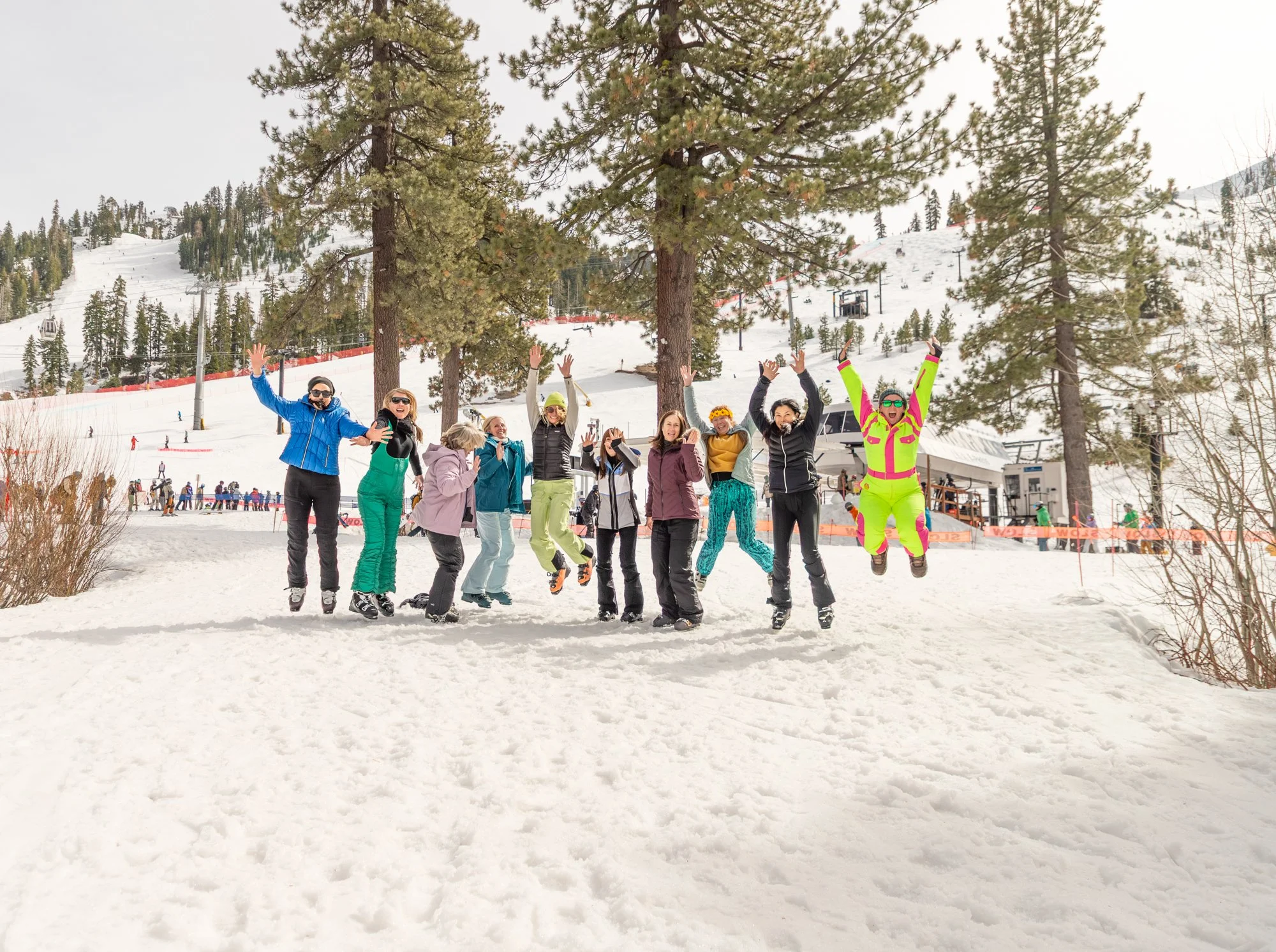
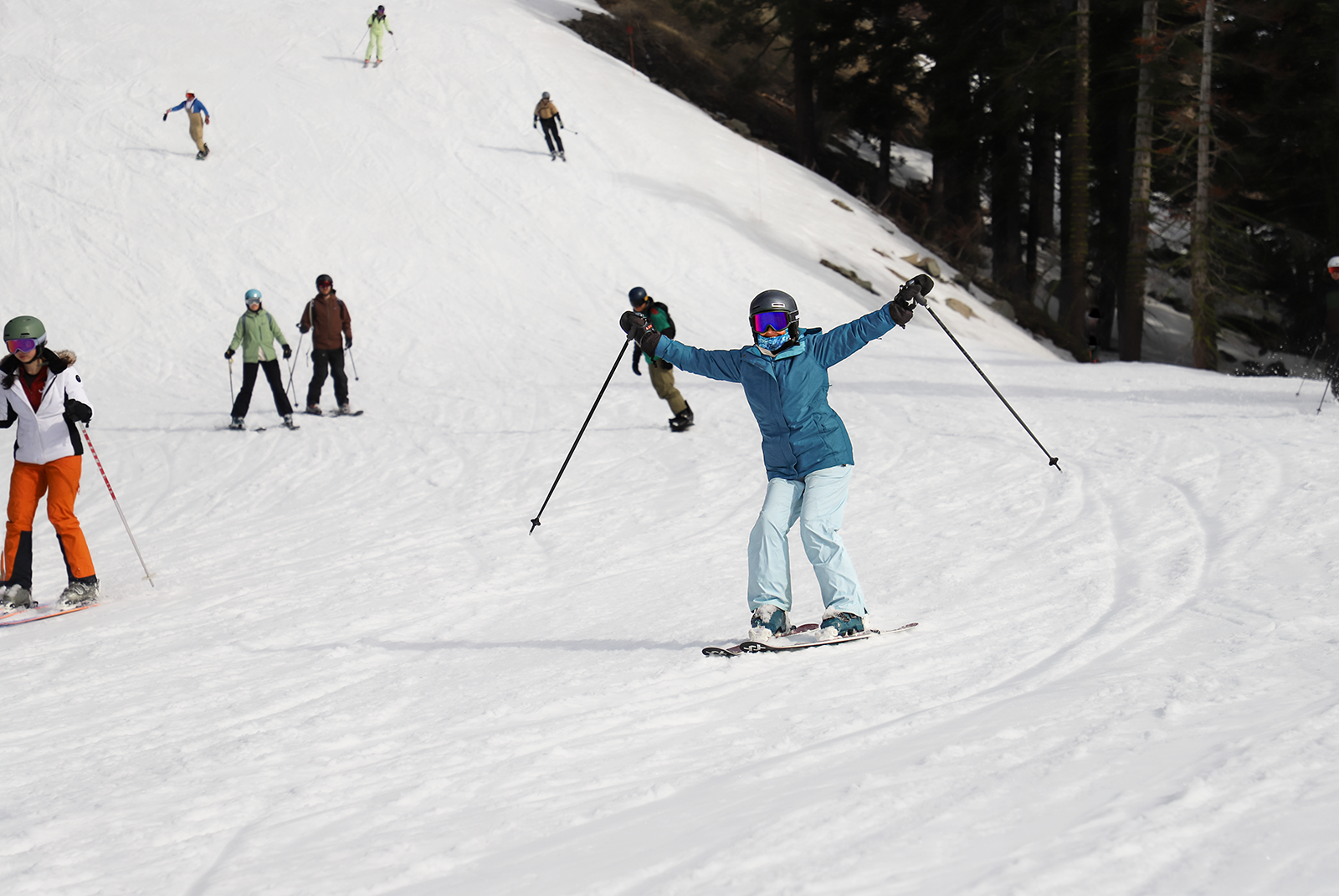
It is one of the reasons outdoor experiences can become such powerful environments for growth and reflection, especially when they are shared with other people. You can see this dynamic play out often during women’s ski retreats built around challenge, connection, and shared experience, where people learn as much off the mountain as they do on it.

Why Does Nature Make People Better At Adapting To Change?

No matter how carefully you plan, something eventually changes.

Weather shifts. Trails close. A plan that made perfect sense two hours ago suddenly does not work anymore. Nature does not care how organized or efficient you were before things changed.

At first, that can feel frustrating.

Then eventually, if you spend enough time outside, you realize adaptation is not a failure of planning. It is part of the process. You reroute the hike. You move the tent. You adjust and keep going.

I think this is one of the most transferable leadership skills people can develop because adaptability is not only logistical. It is emotional too.

Some people experience a setback and immediately spiral into frustration because they become attached to how things were “supposed” to go. Other people are able to shift gears faster because they understand that the goal is not preserving the original plan at all costs. The goal is continuing forward in the best way available now.

That mindset changes teams. It changes relationships. It changes how people handle pressure.

Leaders who adapt calmly tend to create calmer environments around them. People take cues from the energy of whoever is guiding the situation, whether that is a manager, a founder, or simply the person who decides to stay grounded when everyone else starts panicking.

How Does Nature Help You Zoom Out And Stay Calm?

One thing I have always loved about being outside is how quickly it changes perspective.

There is a quote from philosopher Iris Murdoch that has stayed with me for years. She writes about “the art of unselfing,” which is the idea that paying attention to nature helps pull us out of our own anxious loops and back into the world around us.

That feels increasingly relevant now because so much modern life keeps people mentally trapped inside themselves. Notifications, deadlines, comparison, performance, constant urgency. Everything feels immediate and important all the time.

Then you go outside and watch the weather move across a mountain or hear rain hit the trees, and suddenly the issue that felt all-consuming an hour ago becomes smaller and more manageable.

Not irrelevant. Just smaller.

I think good leaders know how to do this instinctively. They know how to zoom out enough to stop escalating every problem into a catastrophe. They understand that staying calm is not passive. It is useful.

The other thing is that perspective creates better decision-making. When people are stuck in panic, they narrow. When people feel grounded, they can think more clearly and respond more intentionally.

That emotional regulation is a leadership skill, whether people call it that or not.

Why Does Creativity Expand In The Outdoors?

Creativity needs space.

Most people are trying to think creatively while moving through routines that leave almost no room for thought at all. Constant notifications, constant output, constant deadlines. It becomes difficult to hear your own ideas clearly when your attention is fragmented all day.

The outdoors interrupts that pattern.

You walk. You bike. You ski. You sit quietly for a while. Your brain starts wandering again in a way that feels surprisingly productive, even though it does not look productive from the outside.

Some of the best ideas people have happen when they stop trying to force them.

I think that is part of why outdoor retreats and shared experiences can feel so mentally clarifying. The environment changes first, and then the thinking changes after it. Once people step outside of their usual routines, they start noticing new possibilities, new ideas, and new ways of approaching problems they had been stuck in before.

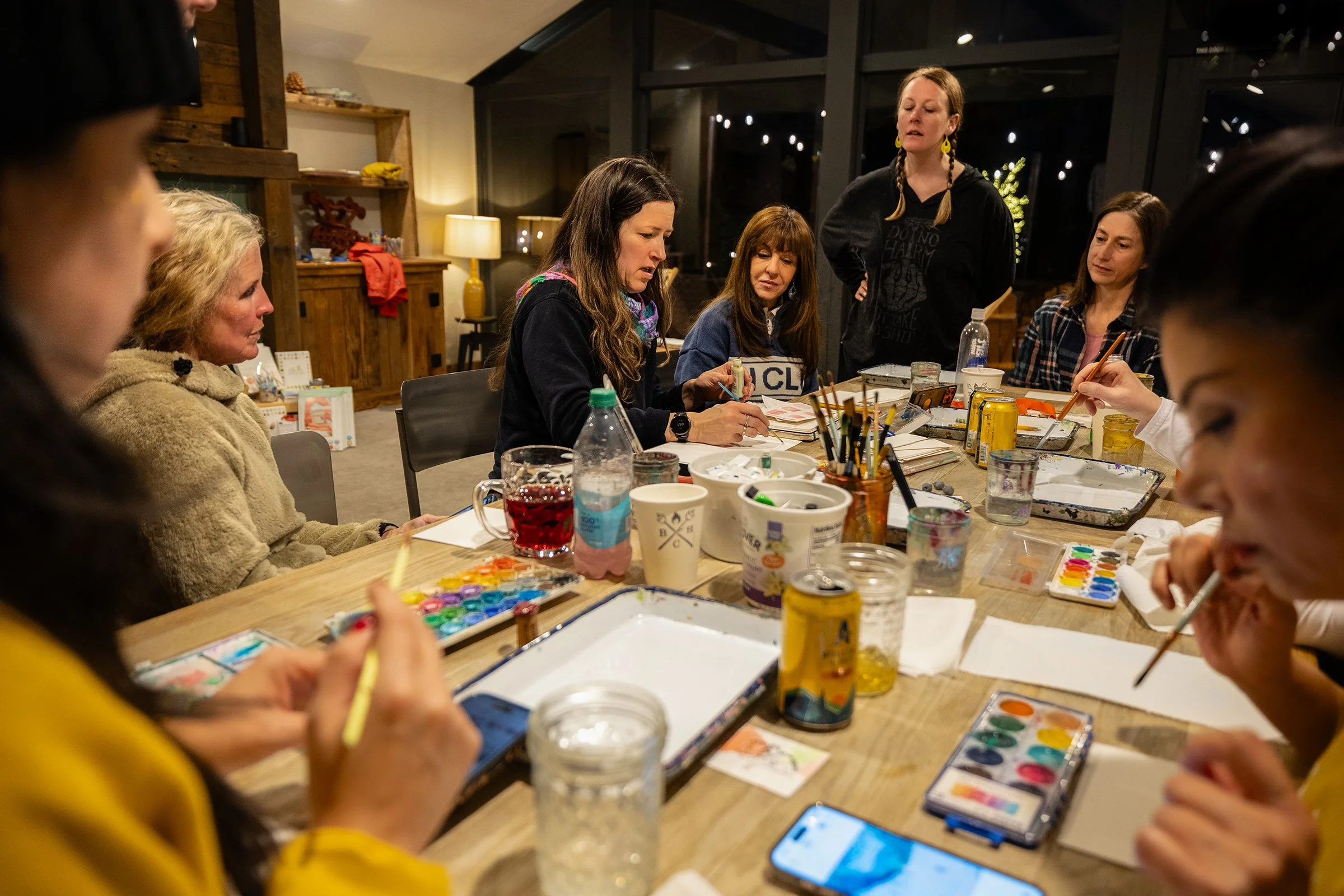
This comes up often during The Retreat Co camp experiences focused on creativity, connection, and personal growth, especially for women who spend most of their lives in highly structured environments.

What Leadership Skills Matter Most In Real Life?

Honestly, probably the quieter ones.

The ability to stay calm. The ability to adapt. The ability to prepare thoughtfully without controlling everything. The ability to notice what other people need. The ability to zoom out enough to keep perspective when things feel difficult.

Those are leadership skills too, even if nobody formally teaches them that way.

I think that is why the outdoors can feel unexpectedly transformative for people. Not because nature magically fixes your life, but because it gives you enough distance from your routines to see yourself more clearly. And once you start seeing your patterns more clearly, you tend to carry that awareness back into everything else.

If this idea resonates, you might also enjoy reading why women need spaces where they do not have to prove themselvesor exploring The Retreat Co experiences designed around growth, challenge, and connection.

Next
Next

How to Make Friends as an Adult Without Forcing It