
How to Make Friends as an Adult Without Forcing It
Author: Charlotte Lilley, Founder of The Retreat Co
Making friends as an adult tends to come down to putting yourself in the right environment rather than trying to force connection. When the setting supports openness and shared experience, relationships tend to form more naturally.
At a glance:
Most people struggle with connection because of environment, not personality
Nearly every woman arrives at retreats feeling unsure if she will fit in
Shared experiences create stronger connection than small talk alone
Consistency and proximity matter more than intensity
The right environment can change how you show up almost immediately
There comes a point where life looks full on paper, but something underneath it feels a little quiet.
Your calendar is full and your life looks the way it is supposed to. You have people, plans, group chats that never go quiet, dinners that come together and then pass. It all keeps moving.
Still, every now and then, there is a moment where you feel it. You are there, but not quite as yourself. The kind of connection you want, where you feel known and at ease without trying, is not always in the room with you.
It is a strange feeling, and it comes up more often than people expect.
Nothing about this means you are doing something wrong. One thing I have seen over and over is women arriving at a retreat convinced that everyone else has this part of their life figured out, only to realize within a few hours that almost everyone had been carrying that same assumption. That realization tends to soften things pretty quickly.
Why does making friends feel harder as an adult?
Earlier in life, connection was built into the structure around you.
You saw the same people often without having to plan it. Conversations had time to wander. You shared experiences without overthinking them. Friendship grew in the background without needing much effort.
Adult life is structured differently.
Most routines are efficient, but they are not designed for connection. Workdays are full, but often transactional. Social plans happen, but they stay within the same circles. There are fewer moments where something new can start.
Over time, it can start to feel like connection is something you have to figure out, instead of something that unfolds on its own.
What do people worry about before trying something new?
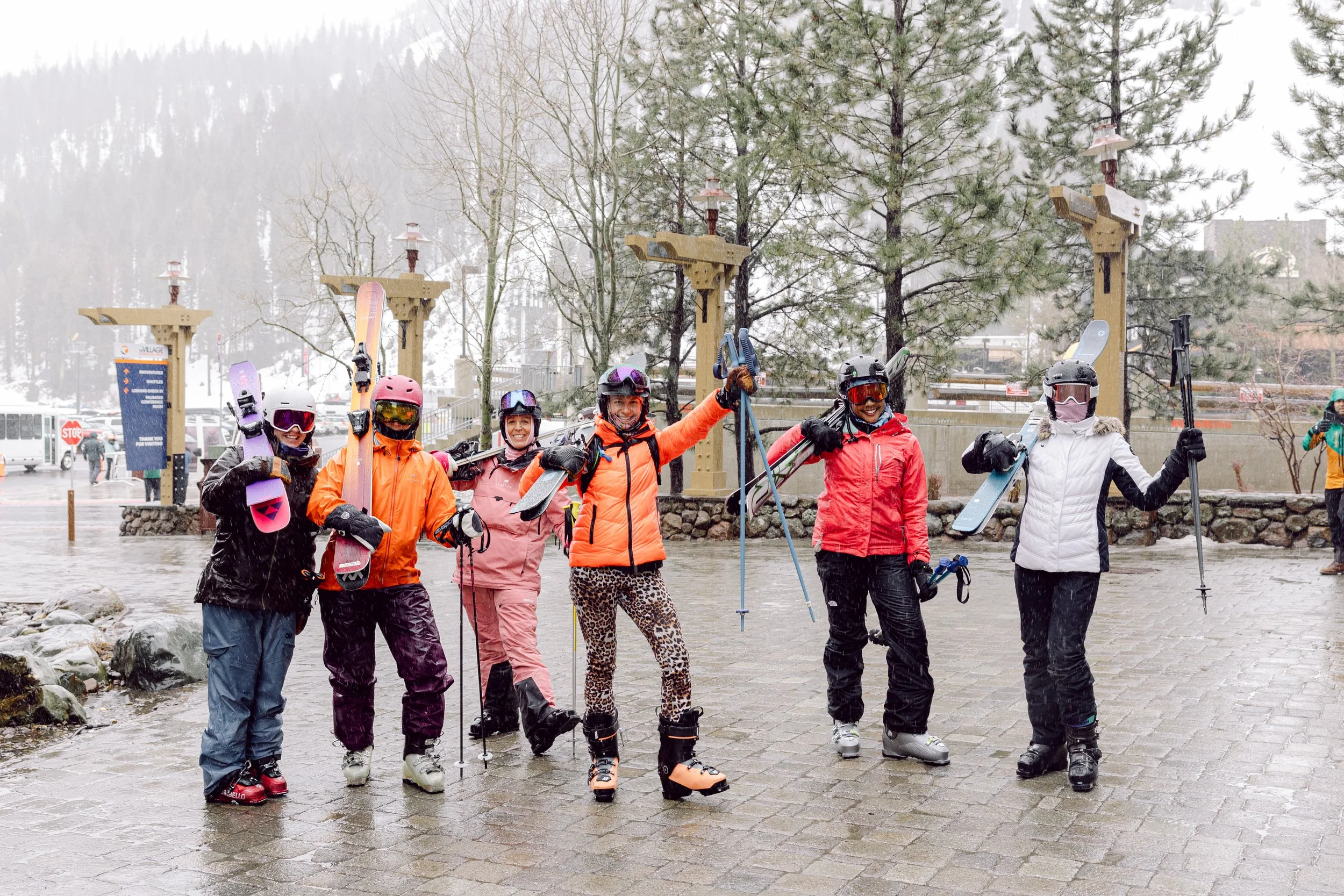
“Am I the only one who feels like this?”
“Will I connect with anyone?”
“What if I show up and do not fit in?”
These thoughts come up almost every time someone joins one of our retreats.
Sometimes it is about walking into a house full of strangers. Sometimes it is the assumption that everyone else will click instantly while you stand slightly outside of it. Nearly every woman arrives with some version of that hesitation, which is part of why connection tends to happen faster than expected
Once people realize they are not the only one feeling that way, the tone shifts. Conversations open more easily. People relax into themselves a bit sooner.
What actually helps you make friends as an adult?
One thing I have found is that it is less about meeting more people and more about choosing better environments.
The spaces where connection tends to form more naturally usually have a few things in common. There is a shared experience, so you are not relying only on conversation. There is enough time together for familiarity to build. There is also a sense that you do not need to prove anything to belong.
That last piece matters more than it seems.
Most environments ask women to prove something, whether it is competence, likability, or value. Over time, that creates a habit of showing up slightly edited. It becomes harder to access real connection because there is less space for it to surface
How can you build connection without forcing it?
It is usually not about doing more. It is about choosing differently.
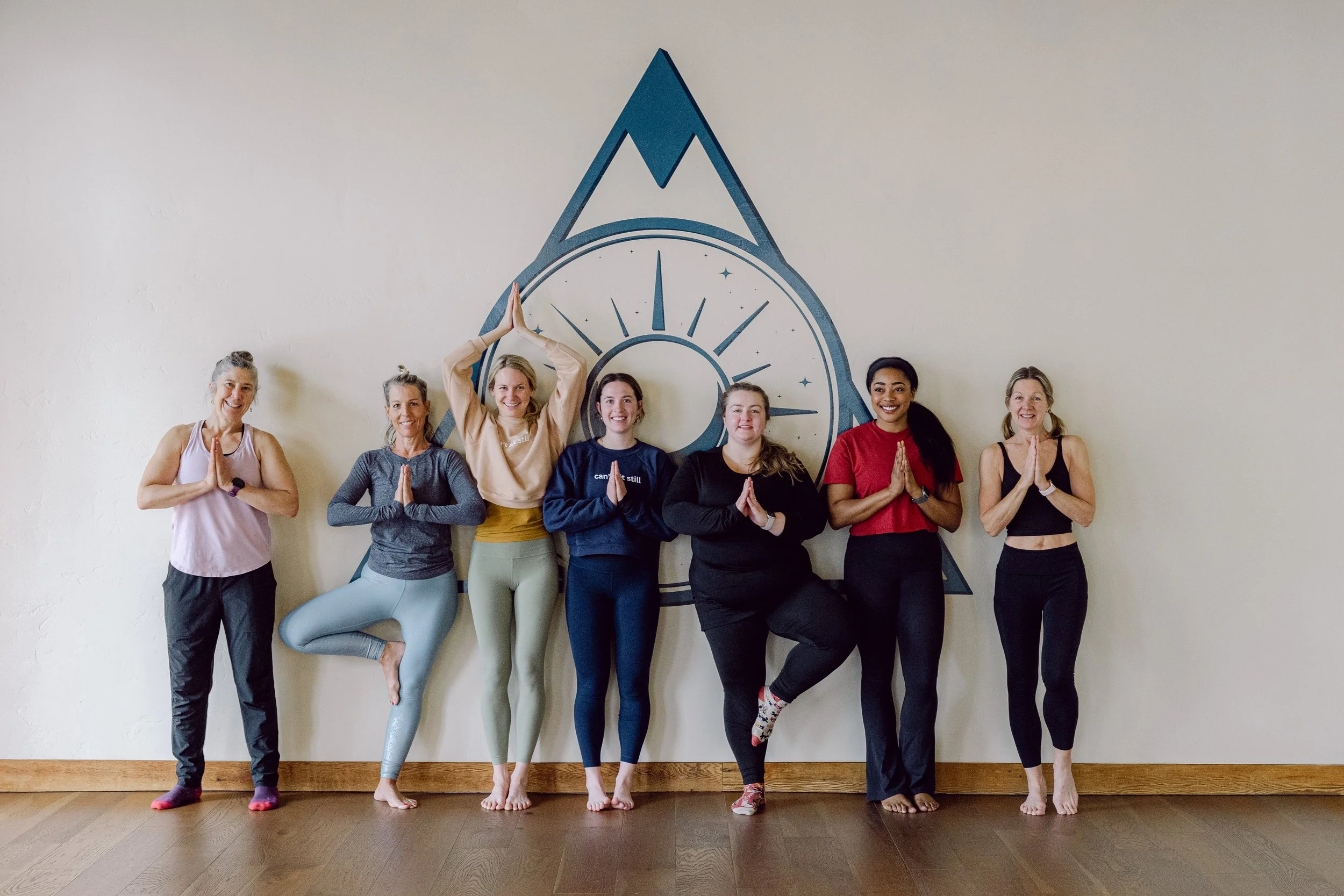
Spaces built around shared experience tend to make connection easier. That could be something active, something outdoors, or simply time spent in a new environment. The experience carries part of the interaction, which takes pressure off the conversation.
Time also plays a role.
Connection tends to build in layers. You recognize someone. You talk again. You feel slightly more relaxed the next time. That progression is hard to replicate in one-off interactions.
If you are looking for a starting point, small shifts in conversation can help create more openness without forcing anything.
What has been feeling good in your life lately
What have you been saying yes to more of
What has been taking up your attention outside of work